How is the logistics and supply chain management industry evolving – and what developments do we need to consider for the year to come?

Source: Statista
AI, IoT, AR, Cloud Technology Continues to Trend
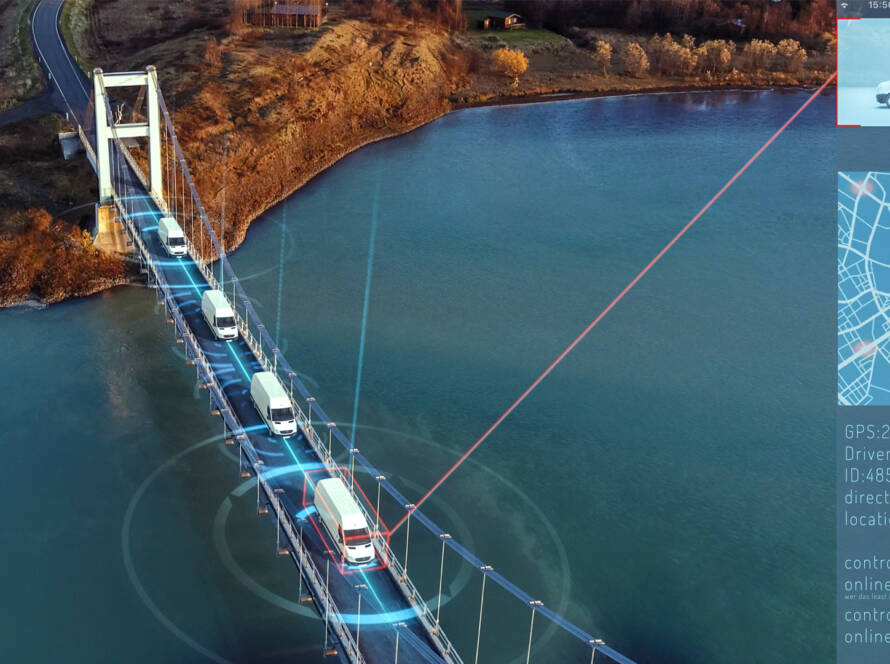
As companies continue to build out their supply chain strategies, industry experts expect to see “further investment in advanced technology solutions to improve supply chain performance, risks, and events. Technology helps make informed end-to-end decisions with cognitive automation platforms, real-time recommendations, and predictions, which will be required to create the self-driving supply chain.
The next generation of supply chains will also be based on advanced technologies, like Artificial Intelligence (AI), Machine Learning, the Internet of Things (IoT), Robot Process Automation (RPA), and Augmented Reality. These technologies can eliminate repetitive manual tasks into highly automated processes and ensure superior performance in the supply chain organization. In the future, companies will find new technological ways for supporting end-to-end supply chain management, execution, predictive analysis, and data analysis. The AI/ML, IoT, AR, and Cloud platforms are expected to help identify patterns, errors and correct supply chain data issues in real-time. This will enable supply chain leaders to focus more on supply chain innovations and front-end technologies.
Cross docking facilities cut storage costs
What is cross docking? Cross docking is the transfer of inbound goods to an outbound carrier through the use of a cross docking facility – that is, a temporary storage terminal that cuts out or reduces the need for inventory storage. All incoming goods are sorted and loaded onto outbound trucks as quickly as possible – often immediately.
The cross-docking market is another growth area. Globally it’s expected to reach US$342 billion by 2030 at a CAGR of around 6%. This growth is being fueled by rising customer expectations for delivery times, putting pressure on logistics through the ‘need for speed’.
Cross docking benefits:
- Reduced costs, particularly any costs associated with long-term inventory storage and associated facilities, labor and utilities
- Improved stock turnover, as the goal of cross docking is to get goods in and out as efficiently as possible
- Minimized risk, given there’s reduced handling of goods and no long-term storage that could increase the chance of spoilage

Logistics firms must also think about e-Commerce
Self-improvement technologies like ERP or inventory management are one thing, but organizations in logistics and supply chain management must also look to technologies that better connect them to customers too – namely, B2B e-commerce tools.
Any B2B business that still relies on sales reps, in-person meetings and phone calls may see itself fall behind as we move past 2022. Gartner’s research shows that when a B2B buyer is comparing options, they’ll only spend about 5% of their time with an individual company’s reps.
Meanwhile, a purpose-built eCommerce platform that puts power in the customer’s hands and makes browsing your products and services a breeze can help improve your competitiveness in 2022.
Circular supply chains close the loop
The ‘circular supply chain’ is a hot topic at the moment, particularly when discussing sustainability. A circular supply chain is one where goods that flow in the reverse direction are able to be reused, recycled or resold. If they then flow back up the supply chain again, they can be reused, recycled or resold again – with this process occurring repeatedly.
This closed loop supply chain is likely the future, but not in the short term. We still lack much of the infrastructure required to break down and reuse materials, so even goods which could be recycled – such as certain types of plastic – still go to landfill, despite best intentions. It’s likely we won’t see any major changes to this loop in 2022, but we will see more steps taken towards its realization. That means companies in logistics must continue to optimize their reverse supply chain functions and keep an eye out for sustainability partners such as packaging manufacturers and recyclers. Being able to advertise these types of green initiatives could prove to be a point of competitive advantage for eco-conscious customers.

Said that…what’s ahead?
The main goal for supply chains in the near future is to increase supply chain resilience in the face of the unexpected. While the global and local supply chains are going through some challenges in the aftermath of the pandemic, Brexit, and more, there are several considerations to assist companies as they face challenges:
- Operations should be flexible and resilient enough to adapt and adjust in real-time to changes in trade flows, new regulations, the impact of COVID-19, climate change, trade tensions and other geopolitical movements.
- Technology should be effectively utilized to help reduce operating costs, provide visibility, and diversify the way customer needs are met.
- Capability to adapt to digital operations and drive actionable improvements from data is important.
- Fleet management and supply chain networks should be responsive to increasing customer requirements.
- Collaboration and supplier partnerships, and ongoing risk monitoring are all needed to de-risk the supply chain.
The industry is changing and will continue to change in 2022 and beyond. Industry leaders need to adopt a broad and holistic perspective, planning for industry changes and shipping costs in 2022 remains critical as companies look ahead to the new year. As recovery continues and supply chain directors and logistics managers look to the future, they need to keep some critical points regarding logistics for 2022 front and center.
Sources:
• Apps Run the World. (2020). Top 10 SCM Software Vendors, Market Size and Market Forecast 2019-2024.
• ARC. (n.d.). Transportation Management Systems.
• BCI. (2018). BCI SUPPLY CHAIN RESILIENCE REPORT 2018
• BCI. (2020). Covid-19: The Future of Supply Chain.
• Businesswire. (2020). Global Supply Chain Management Market (2020 to 2027) – by Component, User Type, and Industry Vertical.
• Easy Post. (2019). Top Reasons to Automate Your Fulfillment Operations with EasyPost.
• Forbes. (2018). The 4 Forces Transforming Logistics, Supply Chain And Transportation Today.
• Forbes. (n.d.) LOGISTICS, SUPPLY CHAIN AND TRANSPORTATION 2023: CHANGE AT BREAKNECK SPEED.
• IHL Group. (2020). Disrupted Retail – How the Pandemic Exposed Retail’s Hidden Inventory Distortion.
• Inbound Logistics. (2019). Manufacturers Laser-Focused on Technology.
• Industry Today. (2016). Worldwide Manufacturing Predictions.
• ISM. (2020). A Historic Year for Supply Chain Threats, Even Without COVID-19.
• Kenco. (2019). 2019 STATE OF SUPPLY CHAIN INNOVATION SURVEY.
• Logistics Bureau. (2020). Insource or Outsource Your Warehousing: What Makes Most Sense?
• Logistics Management. (2018). 27th Annual Trends and Issues in Logistics and Transportation.
• McKinsey Global Institute. (2020). Risk, resilience, and rebalancing in global value chains.
• RetailNext. (2020). CEO Retailer Pulse #2.
• SCMR. (2020). Supply chain software Top 10 suppliers.
• Statista. (2020). Supply chain management (SCM) software market revenues worldwide from 2019 to 2024.
• Statista. (2020). Supply Chain Management Software: Worldwide.
• Statista. (2021). Most important technologies industry professionals are investing in 2020.
• Statista. (2021). Share of U.S. retail supply chain executives willing to increase investments in 2020, by area.